

How did Tokugawa Ieyasu, who had zero foresight, survive the Sengoku period and take over the country? ~The ability to read both sides of information and demonstrate tolerance to make the most of human resources~
Tokugawa Ieyasu won the Battle of Sekigahara in 1600 and established the shogunate in Edo as Seii Taishogun in 1603, laying the foundation for the 265 years of peace that followed. Given his difficult history, in which he was held hostage by a neighboring feudal lord as a boy and was forced to remain subordinate to Oda Nobunaga and Toyotomi Hideyoshi even after gaining independence as a feudal lord, Ieyasu is likely portrayed as a patient and thoughtful man by many.
However, according to historian and author Kozo Kaku, Ieyasu's true personality was the exact opposite of this image. He points out that Ieyasu's efforts to overcome this and his use of information ultimately paved the way for him to become the most powerful man in Japan. We asked Kaku to explain what Ieyasu was really like and how he was able to take over the country.
▼Profile of Kozo Kaku
Graduated from the Department of History, Faculty of Letters, Nara University. After a career as an academic, he became a researcher at the Faculty of Letters, Nara University in March 1984. He currently works as a lecturer at universities and companies, while also writing books based on his own unique historical perspective as a historian and author. He is also a lecturer at the National Research Institute for Domestic and Foreign Affairs, the Small and Medium Enterprise College, and the Political and Economic Forum.
・Representative works (new publications)
"Introduction to History as a Liberal Arts Education" (Business Press, 2023)
"Tokugawa Ieyasu's Study Method" (President Publishing, 2023)
"Ieyasu's Conquest of the Country: Sekigahara, the Battle of Sekigahara" (Tsuchiya Shoten, 2022)
・Supervision, translation, etc. (new publications)
"Reading it makes me feel better: Reverse biographies of great people who didn't try hard, Japanese history edition" (Supervised by Shufunotomosha, 2023)
"Comic Edition of Japanese History, Volume 87: Hideyasu Yuki" (Planning, composition, supervision, Poplar Publishing, 2023)
·others
"Sekiguchi Hiroshi's Newest Medieval History," with commentary by Kaku, is currently being broadcast on BS-TBS, every Saturday at 12 noon.
Tokugawa Ieyasu continued to reflect and study in order to control his "tempered personality"
When talking about business management or organizational operations, it is often said that leadership is essential. But what exactly is the essence of leadership? The answer varies from person to person, and there is no one right answer, but I would say it's "big picture perspective." In other words, "foresight." For example, if there was a manager who could predict exactly what things would be like in five years, or ten years, everyone would follow him even if he had some personality issues. They would feel that as long as they did what he said, everything would be fine.
In that sense, when comparing the three men known as the "Three Great Heroes of the Warring States Period," Oda Nobunaga, Toyotomi Hideyoshi, and Tokugawa Ieyasu, it is undoubtedly Nobunaga who had the most foresight. If we were to rate him at 100, Hideyoshi, who succeeded him and merely copied him, would be around 10. And Ieyasu is zero. Ieyasu has taught many people, from military strategy to military tactics and behavior. Takeda Shingen Whether it was politics or military affairs, Ieyasu's basic approach was to "imitate" or "learn" from others, and he rarely started anything new on his own.
It's amazing that he was able to take over the world with zero foresight...
That's the problem. Even if we acknowledge that Nobunaga's government effectively took over the country halfway through his Tenka Fubu policy, it only lasted one generation. Hideyoshi's reign lasted two generations, including his son, Toyotomi Hideyori. In contrast, Ieyasu, who had zero foresight, produced 15 shoguns, including himself, and ushered in 265 years of peace. So what was the leadership style that only Ieyasu possessed, and that Nobunaga and Hideyoshi lacked? To put it more simply, there are many heroes and great men with foresight of the "Nobunaga type" or "Hideyoshi type," both in the East and the West, and throughout history, but no one with zero foresight of the "Ieyasu type" has ever taken over the country. Why was Ieyasu the only exception?
That is the theme of this article, or in other words, the "questioning of history," the importance of which you have repeatedly emphasized in previous interviews.
That's right. To answer this question in a few words, I believe that Ieyasu's greatest strength was his ability to "read both sides of information, demonstrate limitless tolerance, and use people with foresight and ability unconditionally." To explain what that means, we first need to organize and understand what kind of person Ieyasu was. Let's start from there.
I understand. When we think of Ieyasu as a person, we can see an image of him as someone who was extremely patient, as expressed in the haiku, "If the cuckoo does not sing, then let's wait until it does."
Indeed, Ieyasu always lived a life of submission and endurance until his mid-50s. Owari (present-day western Aichi Prefecture), followed by the Oda clan Suruga He spent a total of 12 years as a hostage of the Imagawa clan in the area of Ieyasu (present-day central Shizuoka Prefecture), and even after finally gaining independence from the Imagawa clan as a feudal lord at the age of 19, he was kept under the control of Nobunaga, and even after Nobunaga's death he was forced to remain a vassal to Hideyoshi. It is normal for people who have been oppressed for such long periods to become obedient and thoughtful, and it is not surprising that many people have this same image of Ieyasu.
However, when we read various documents, we can see that Ieyasu did not necessarily have that kind of personality. Perhaps it was his blood? Rather, various episodes reveal that he was essentially a person who got angry easily.
That's surprising. What are some of the stories you've experienced?
The most well-known is from 1573. Kai (present-day Yamanashi Prefecture) in the Tokugawa domain. Mikawa (Currently eastern Aichi Prefecture) Totomi (present-day western Shizuoka Prefecture) Mikatagahara This is the story of the Battle of Takeda. There are various theories about the strength of the troops on both sides, but generally speaking, the Takeda forces numbered 24,000, while the Tokugawa forces, including the Oda reinforcements, numbered only 12,000, about half that number. Moreover, the Takeda forces were far more skilled. So, Ieyasu initially prepared for a siege at Hamamatsu Castle, the main Tokugawa castle, but was extremely pessimistic about how many months they could hold out. Meanwhile, Shingen, in an attempt to lure Ieyasu out of Hamamatsu Castle and into a field battle, spread the following rumor to provoke him: that the Takeda forces would ignore Hamamatsu Castle and advance, intending to show down the victor with the Oda forces in the Kansai region. Ieyasu's retainers breathed a sigh of relief, thinking that they could continue the siege for the time being, and that if they could time it with the Oda, they would be able to launch a pincer attack. However, at that moment, Ieyasu became enraged. One of his retainers Okubo Hikozaemon Tadanori The words of Ieyasu at the time are recorded in the "Tales of Mikawa," but to summarize in modern terms, he roared, "How can I remain silent when they cross my front yard?" This is not a strategy or tactic, but simply an emotional argument. In short, he lost his temper. Ieyasu then left the castle despite the fierce opposition of his retainers and fought the Takeda army, suffering a major defeat and losing half of his troops. He had fallen for Shingen's provocation.
These words and actions are far removed from the image of Ieyasu as calm and cautious.
When people are cornered, their true nature is revealed, and in Ieyasu's case, this hotheaded personality came out whenever he was in a crisis. And it seems that this was due to his Tokugawa bloodline. This is because Ieyasu's grandfather, Matsudaira Kiyoyasu and his father, Matsudaira Hirotada Both were killed by their retainers in their mid-twenties, but both were known for being indiscriminate when angry, and the main reason for their murders was that they had incurred the resentment of their retainers. eldest son ・ Nobuyasu He also had a similar personality and is said to have often committed cruel acts against his vassals and subjects. Finally, when Nobuyasu was 21 years old, Nobunaga suspected him of being a spy for the Takeda clan, and at Nobunaga's request, he was ordered to commit seppuku by his father, Ieyasu. This was also because he was Ieyasu's most senior vassal. Tadatsugu Sakai However, it is said that he held a grudge against Nobuyasu for having publicly insulted him in the past, and when questioned by Nobunaga about Nobuyasu's collusion, he did not defend Nobuyasu at all and instead admitted it was true.
What did Ieyasu think about his own personality, which seemed to have been passed down from generation to generation?
He was fully aware of this and learned how to control his temper and restrain it, based on his many years of hostage life and the experiences of Nobunaga and Hideyoshi. control If Ieyasu had not been in such a constantly cornered situation and had not learned patience, he might have been killed at a young age, just like his grandfather, father, and eldest son.
Ieyasu's famous habit of "biting his nails" symbolizes how hard he tried to control his hot temper. People who get angry easily often bite their nails unconsciously when they are cornered and their minds go blank. Ieyasu was a perfect example of this, and although he normally didn't do it in public, he is said to have bitten his nails in front of many of his retainers on two occasions: the Battle of Mikatagahara and the Battle of Sekigahara in 1600. In both cases, he reached his limit, and at the Battle of Mikatagahara, he recklessly stormed out of the castle and was defeated. Also, at the Battle of Sekigahara, while he was on the Western Army (Toyotomi's side), he had promised to collude with the Eastern Army (Tokugawa's side), so he bit his nails in front of many of his retainers. Kobayakawa Hideaki Ieyasu was quite impressed by this. flag It is said that he was fed up with Hideaki's refusal to make his intentions clear, and that he acted after fully understanding that if he threatened him with a gun, Hideaki would surely decide to betray him. However, that is hindsight, and I believe the truth is different. In fact, given that he was biting his nails at the time, I think that in his anger he lost all sense of reason and fired the gun, saying "Let's do it!", and Hideaki just happened to be frightened and decided to defect.
Although he developed thoughtfulness and patience in his oppressive circumstances, his true nature remained unchanged.
That's right. However, what is amazing about Ieyasu is that he would reflect deeply on his actions every time he lost his temper, and he continued to have the attitude of studying hard to find out what he needed to do to survive in troubled times. One of the portraits of Ieyasu is "Tokugawa Ieyasu at Mikatagahara" campaign There is a statue of Ieyasu, commonly known as the "Shika-mi Statue." It is said that he had this statue painted of his haggard appearance as a warning to himself after his crushing defeat in the Battle of Mikatagahara, and no one else in the world has ever done anything like this. As mentioned at the beginning, this is a testament to his thorough self-reflection and learning, even taking his enemy general, Shingen, as a model.
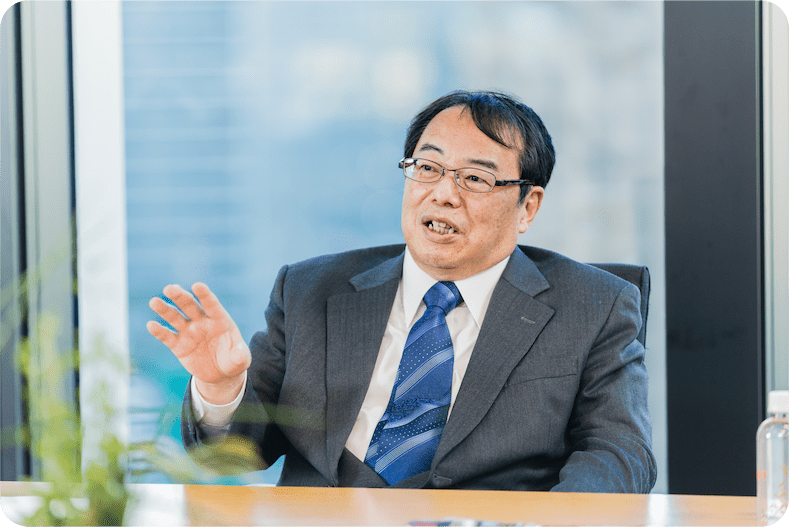
Ieyasu's boundless generosity made it possible to utilize talented people
It is clear that Ieyasu was a man who was aware of his hot-headed personality and never neglected to reflect and learn. So how does this relate to what you said at the beginning, that Ieyasu was able to become the most powerful man in Japan, "by being able to read both sides of information, he displayed limitless tolerance, and he was able to use people with foresight and ability unconditionally"?
Now, back to the main topic. As I've said, what made Ieyasu superior to anyone else was that he was aware of his own personality and position, and always seriously considered how he could survive despite his shortcomings. Through self-reflection and learning, Ieyasu thoroughly realized that he had a hotheaded personality and no foresight. He understood all too well that, in terms of ability, he was no match for Nobunaga or Hideyoshi, let alone many of his vassals.
How could Ieyasu survive in such a turbulent time? He had no choice but to use people who were better than him, and in order to do so, he Eaves Lend me Main house I realized that I had no choice but to be tolerant and entrust everything to God, knowing that it would take away everything from me.
But it's scary to give power to someone who is more capable than you, because if they betray you, you'll be the one who gets hurt.
That's right. So even if most people can do it at first, they become scared along the way and are unable to see it through to the end. However, Ieyasu was the only one who was able to do it. His grandfather and father were killed by their retainers, he himself was held hostage as soon as he became aware of things, and as he grew older he was forced to submit to Nobunaga and Hideyoshi, and in the midst of all this he was even forced to kill his own precious eldest son. Perhaps it is precisely because Ieyasu had lived such a desperate life that he was able to reach this state of mind after a lifetime of deep reflection.
And what was important in trying to exercise limitless tolerance was "reading both sides of information." When understanding a piece of information, it may appear this way on the surface, but that is only one way of looking at it, and Ieyasu always kept in mind that there is always another side to it.
For example, what kind of situations did Ieyasu face and how did he view them?
Let's take the example of Nobuyasu's seppuku, which I mentioned earlier. First, Nobunaga demanded that Ieyasu commit seppuku for Nobuyasu because he was the one who had succeeded Oda Nobunaga. Nobutada He wanted to get rid of Nobuyasu as soon as possible because he was a superior military commander. Also, as mentioned earlier, Sakai Tadatsugu did not protect Nobuyasu because he had a grudge against Nobuyasu. This is how to read the information table. Looking at this alone, Ieyasu had many options: either refusing Nobunaga's demands or giving in to his anger and executing Tadatsugu.
However, Ieyasu understood that this was only one side of the story. No matter how high-ranking Nobunaga was, he could not suddenly tell his ally, Ieyasu, to "kill your eldest son." Nobunaga decided to first summon Tadatsugu, the Tokugawa's second-in-command, to interrogate and probe. Tadatsugu readily admitted that Nobuyasu was a spy. Seeing this, Nobunaga realized that if Ieyasu refused his demands out of love for his son, Tadatsugu, fearing Ieyasu's retaliation, would surely rebel and turn to him. In fact, Tadatsugu was probably planning to do just that. Ieyasu was a man who was able to see behind the scenes in such situations.
In that situation, Ieyasu had no choice but to accept Nobunaga's demands. Furthermore, Ieyasu immediately realized that by forgiving and trusting Tadatsugu, who was the person who indirectly killed his eldest son and who should have been his mortal enemy, he would not only be able to keep Tadatsugu and continue to utilize his abilities, but would also have an immeasurable positive influence on his other vassals and daimyo.
I see…….
In fact, Tadatsugu originally possessed a family status and power that surpassed that of the Tokugawa family, but he served Ieyasu without rebelling, and when Ieyasu gained power before the Battle of Sekigahara, he became the leader of the Tokugawa Four Heavenly Kings, a story that would normally be impossible.
There is an interesting anecdote about the relationship between Ieyasu and Tadatsugu. When Tadatsugu, who was 12 years older than Ieyasu, retired, he said to Ieyasu, "From now on, please take good care of my eldest son." Ieyasu is said to have replied, "Do you even love your own eldest son?" If Ieyasu had meant this with sarcasm, meaning "How dare you kill Nobuyasu," the Sakai clan might have eventually rebelled. However, Ieyasu was able to say this with a beaming smile on his face. And indeed, the Sakai clan went on to produce many senior councilors and senior councilors as the leading fudai of the Tokugawa shogunate, a position they held until the end of the Edo period. This episode is a clear example of Ieyasu's boundless tolerance, cultivated amidst despair.
So, what can modern business people learn from Ieyasu's words and actions?
In today's world, where change is so rapid that it's difficult to see into the future, it's important to have a "big picture" perspective, or foresight, but if you feel you don't have that ability, one option is to be tolerant and leave it to the capable people around you. It also means that in doing so, you need to continue to acquire and accumulate new information that will be useful.
In fact, even a man as enlightened as Ieyasu ultimately failed in this area of "continuing to accumulate information." On his deathbed, Ieyasu left a message saying, "When I die, do as I did when I was alive." The Tokugawa shogunate adhered to this will, monopolizing information from abroad through a policy of national isolation, cutting off access to the outside world, and failing to change its economic system, which relied on rice rather than currency, led to constant financial difficulties, and by the end of the Edo period, the shogunate and all of its feudal domains were bankrupt. Perhaps we should learn from Ieyasu, who had achieved success by becoming Japan's most powerful man, only to make the biggest mistake of his life at the very end, that we must continue to acquire information.
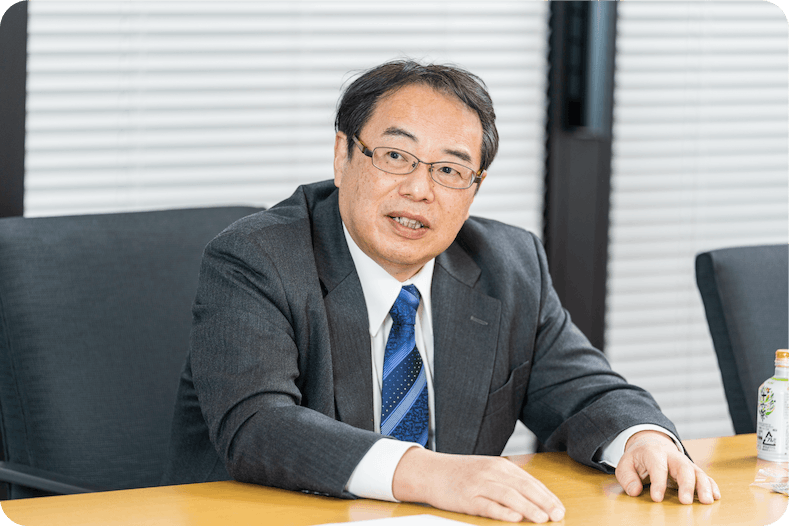
Recommended Content
e-book: Learn business success tips from military commanders
Wouldn't you like to know the secret to Tokugawa Ieyasu's survival during the Warring States period? We've put together an e-book packed with tips for learning more about his ingenuity and information utilization techniques, and applying them to modern business. Check it out using the link below.
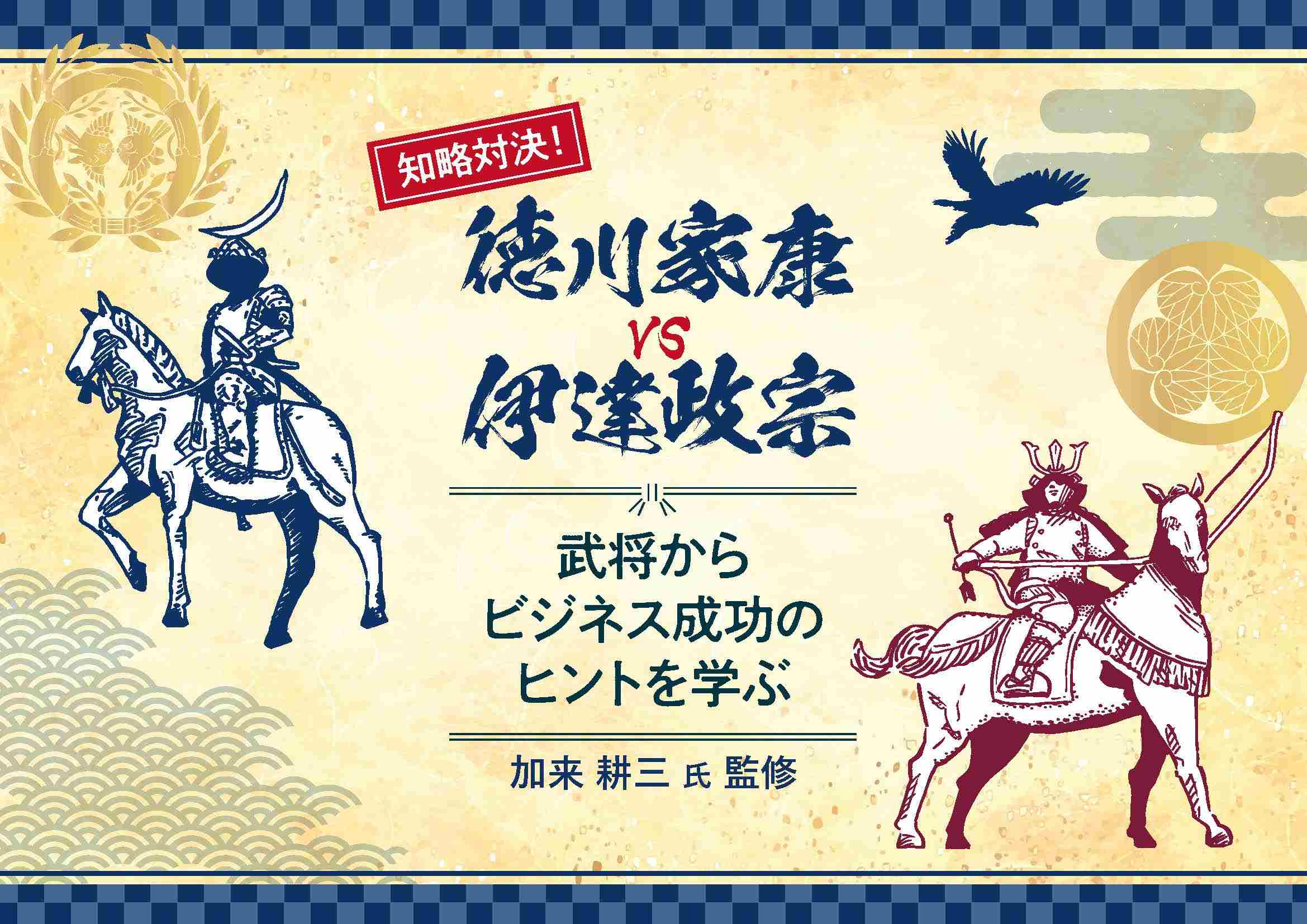
A battle of wits! Tokugawa Ieyasu vs Date Masamune - Learn business success tips from warlords
In modern business, differences in judgment determine success. How did Tokugawa Ieyasu and Date Masamune, who survived the Warring States period, interpret and utilize the limited information they had? This e-book introduces the perspective of turning information into a weapon through their ingenuity.
Saison Technology Official YouTube Channel "SIS☆STA"
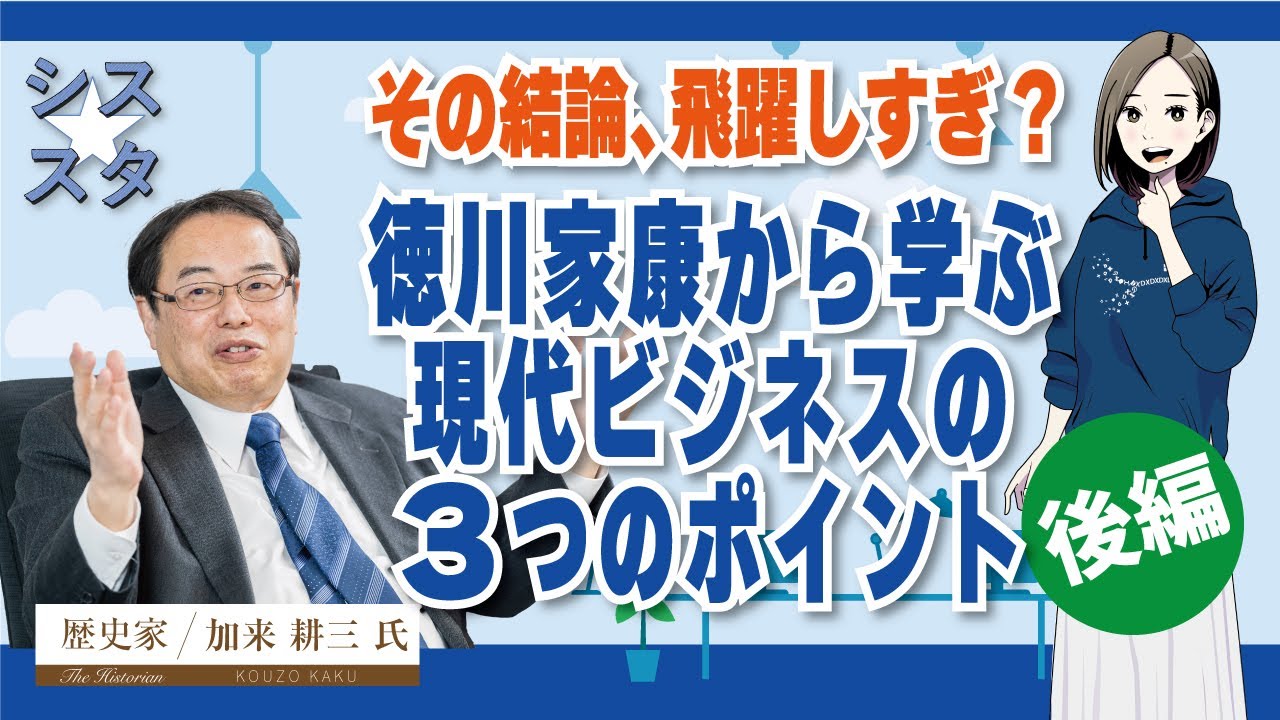
We are introducing an interview video with historian and author Kozo Kaku on Saison Technology's official YouTube channel.
Please see also.

Related Content
-
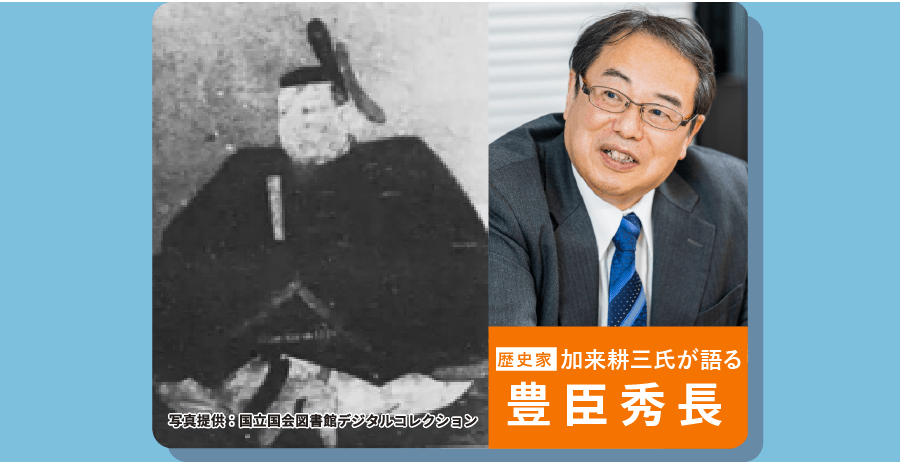
What was the reason that a warrior born of peasant origins was able to grow so rapidly into a great advisor to the ruler of Japan? - Toyotomi Hidenaga's learning method of clarifying the skills and information to be acquired through problem awareness -
-
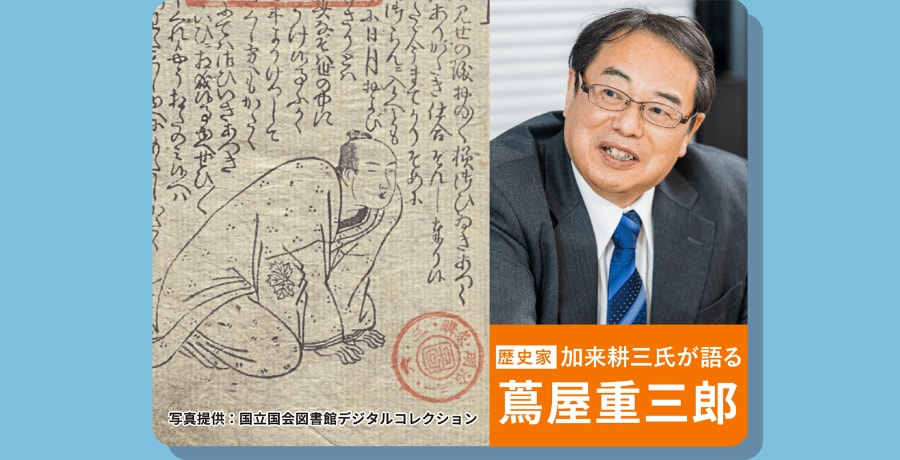
How did the "Edo Media King" discover so many exceptional talents and produce so many hits? ~A "backward information strategy" that gathers the information necessary to reach the goal~
-

The key to utilizing generative AI is to develop strategies that capitalize on a company's unique data and enhance its strengths
A leading expert on AI talks about the current state of Japanese companies and their future aspirations